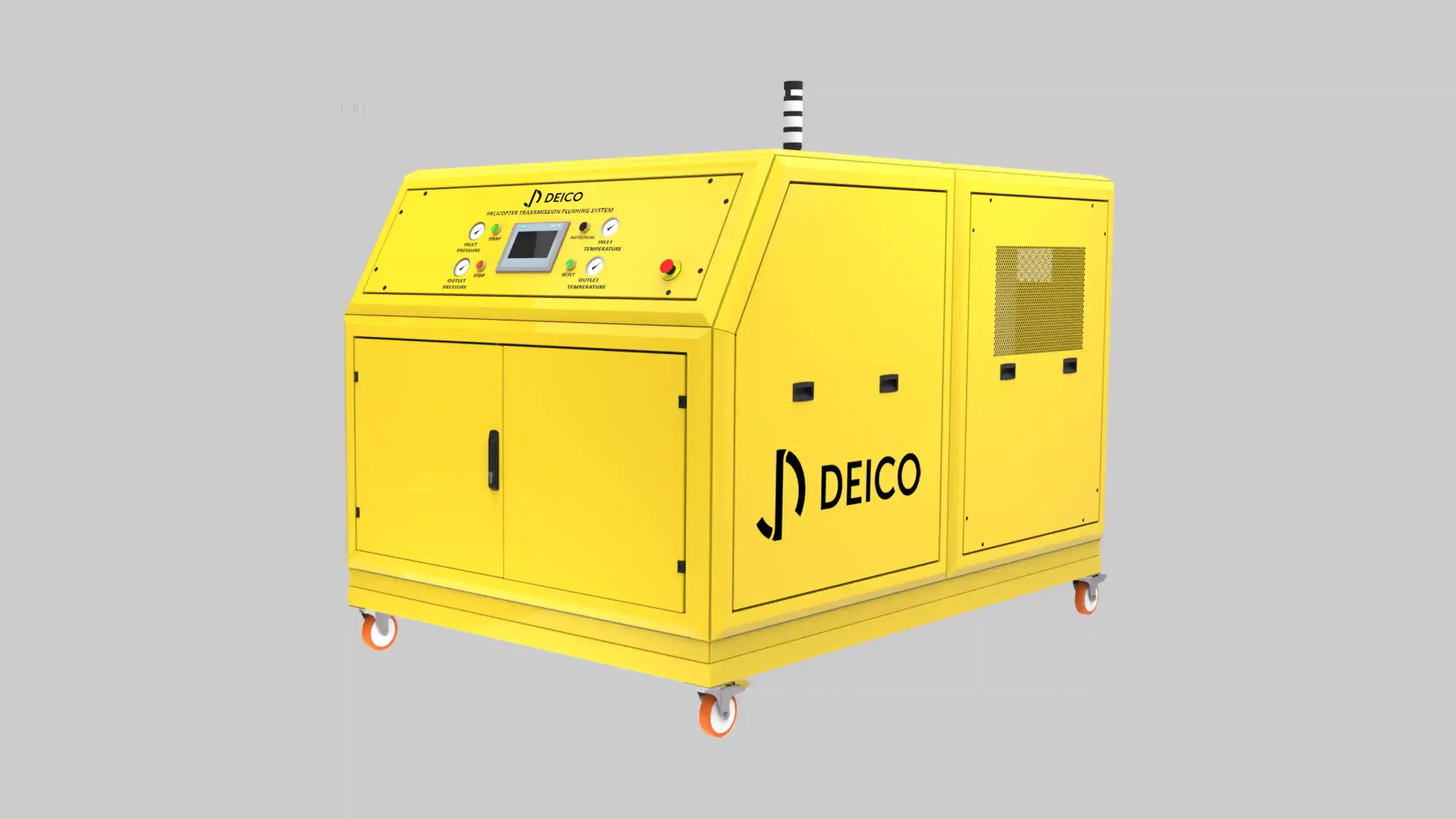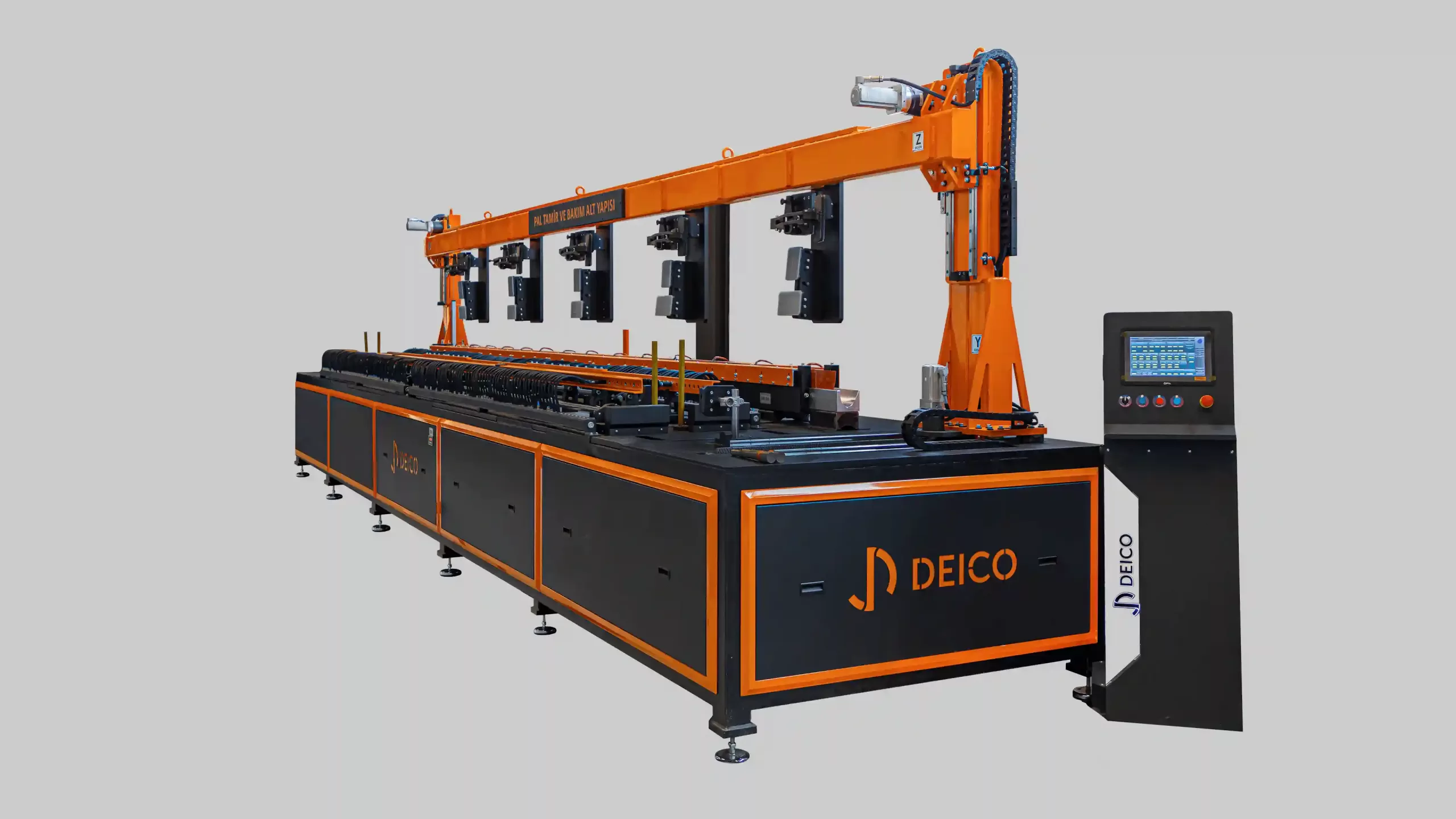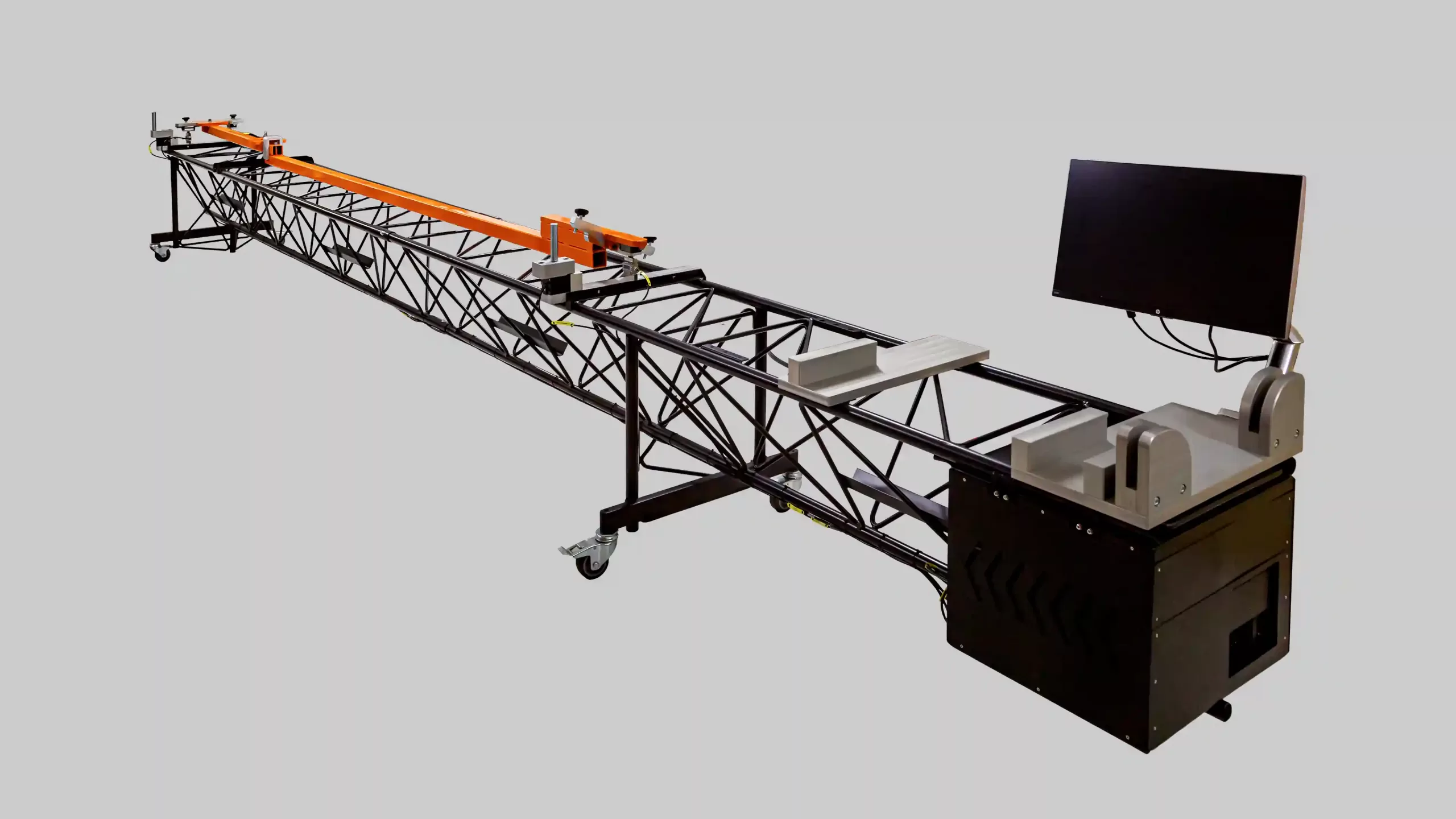
Project Overview
Project Objective
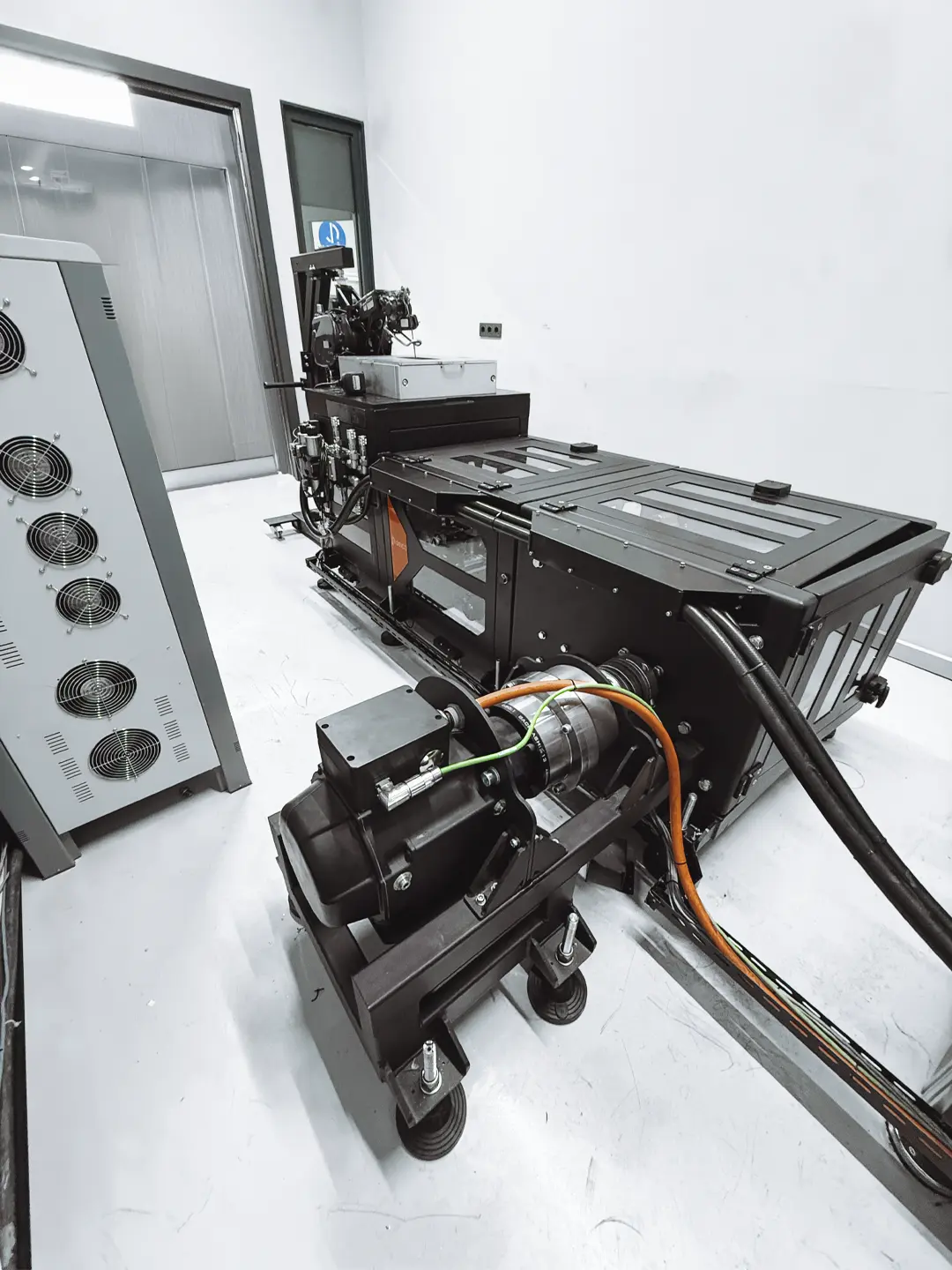
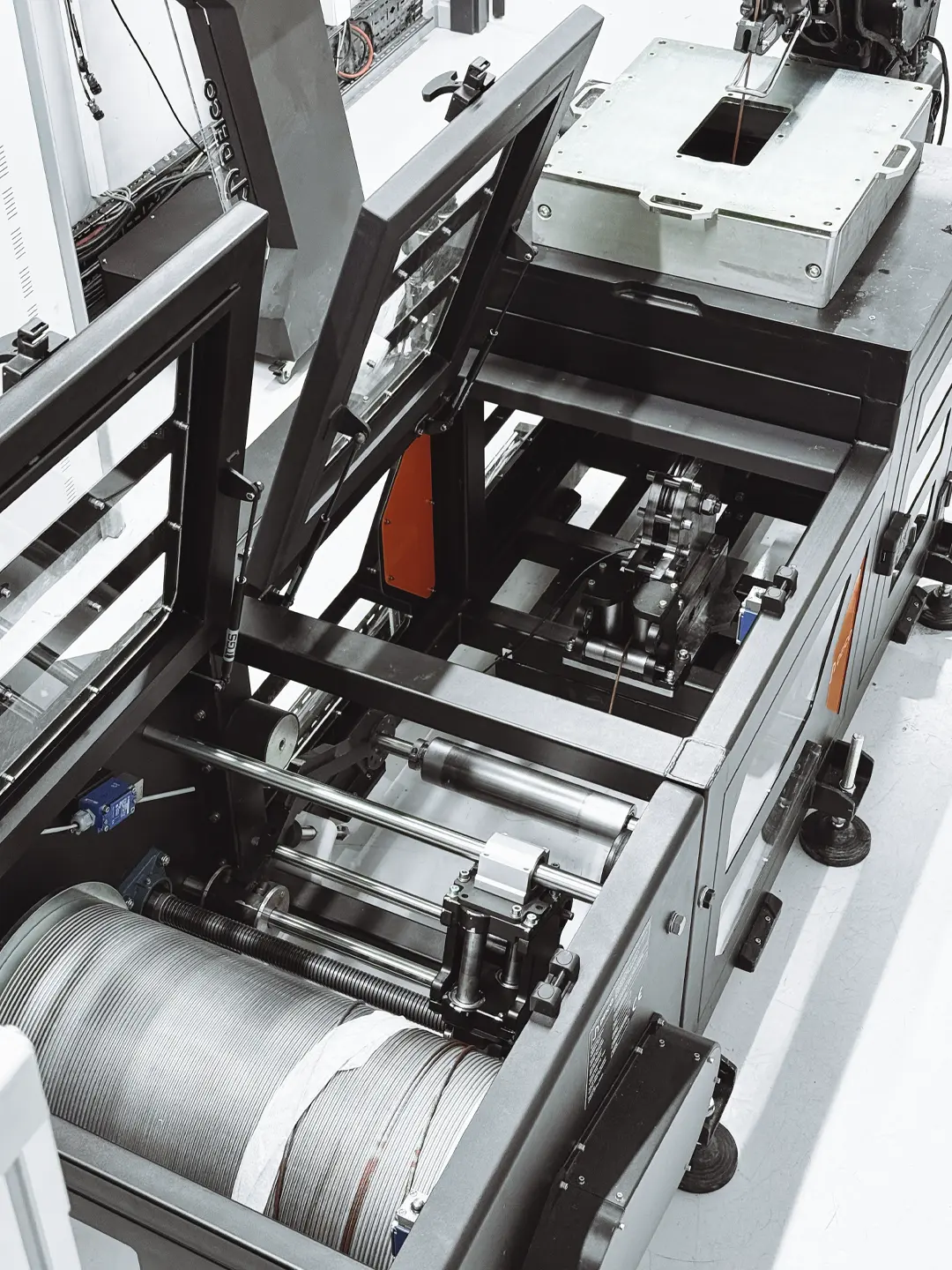
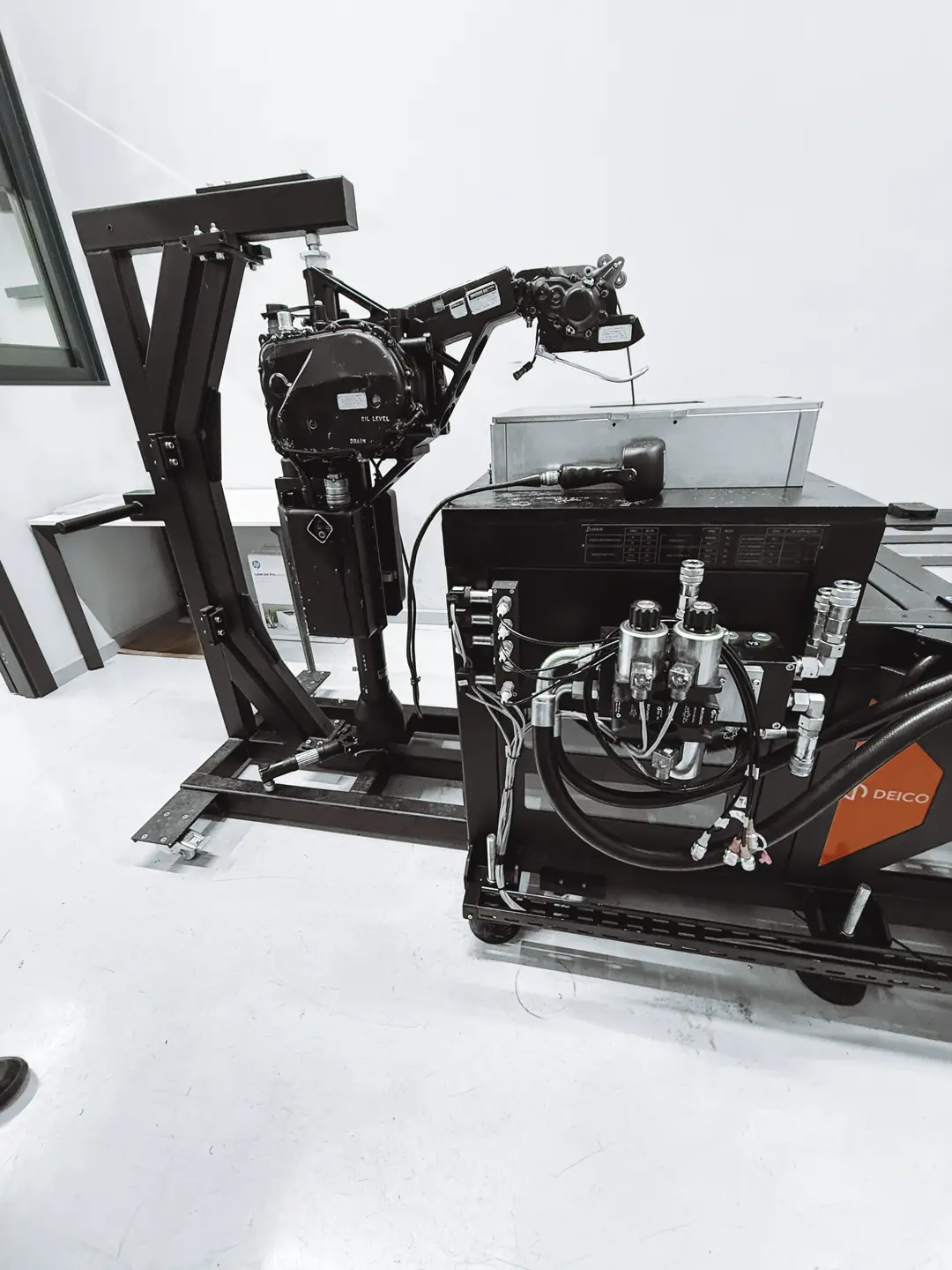
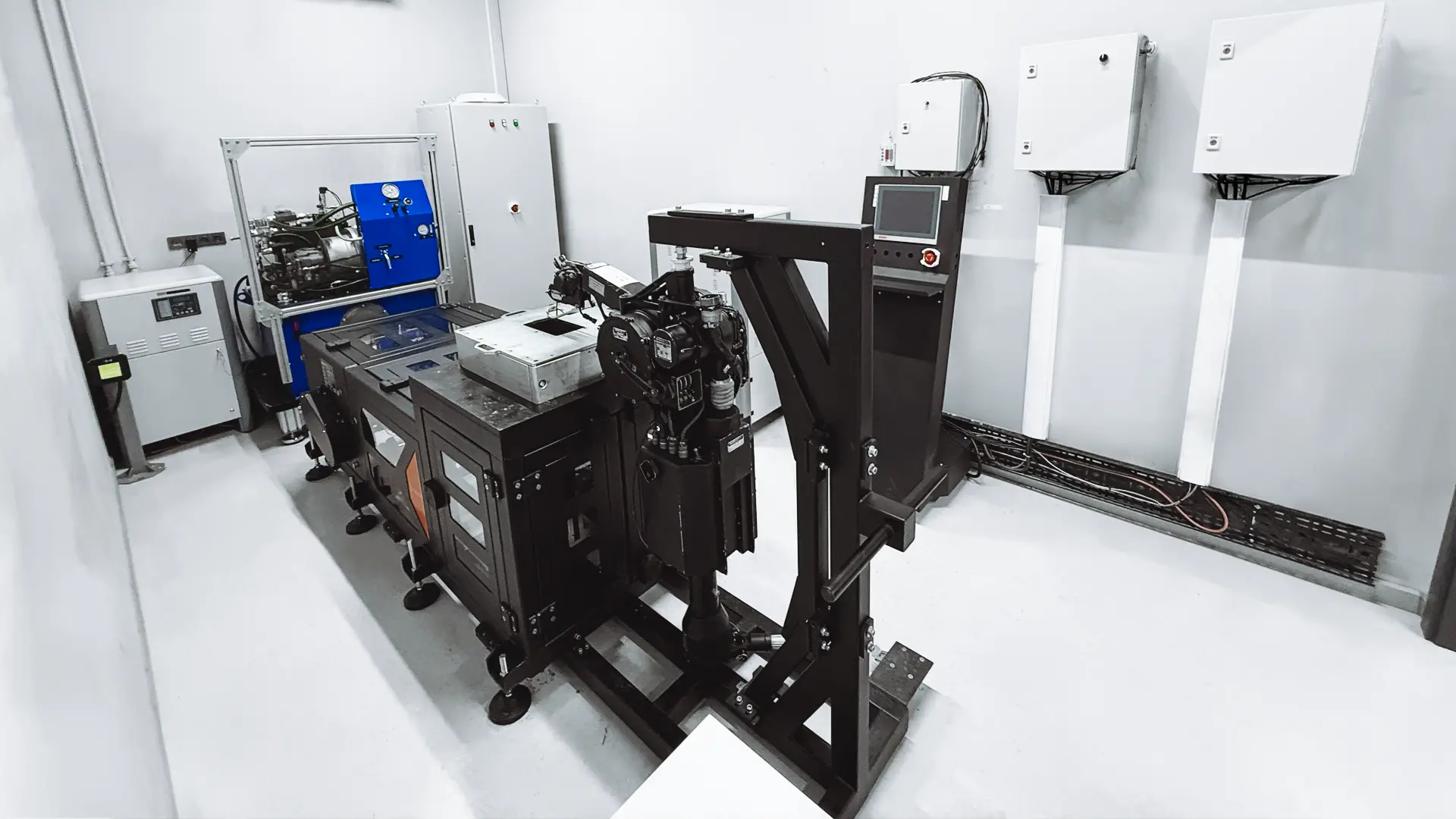
The Helicopter Hoist Test System is designed to execute standardized, repeatable, and precise functional test procedures for different helicopter rescue hoist types, both electric motor-driven and hydraulic-powered.
A key focus of the project is the automation of Overload Clutch testing. The Overload Clutch is a safety-critical mechanism that protects the hoist under excessive load conditions. Automating this test removes operator dependency, minimizes human error, and delivers consistent results across maintenance cycles.
The system brings the entire test workflow into a digital environment. Operators monitor live data, track Static Hold and Overload Clutch tests step by step through graphical displays, and generate structured test records. This reduces turnaround time during maintenance and shortens the platform’s return-to-service window.
Target Platform and Industry
The system serves the aerospace and defense sector, targeting military and civil helicopter MRO (Maintenance, Repair, and Overhaul) centers, hoist manufacturers, and end-user operators.
It is designed to support the rescue hoist systems found on the following helicopter platforms:
- AS532 Cougar
- S-70 Black Hawk / S-70D SAR
- UH-1H
- AB212 / AB205
Scope and Functionality
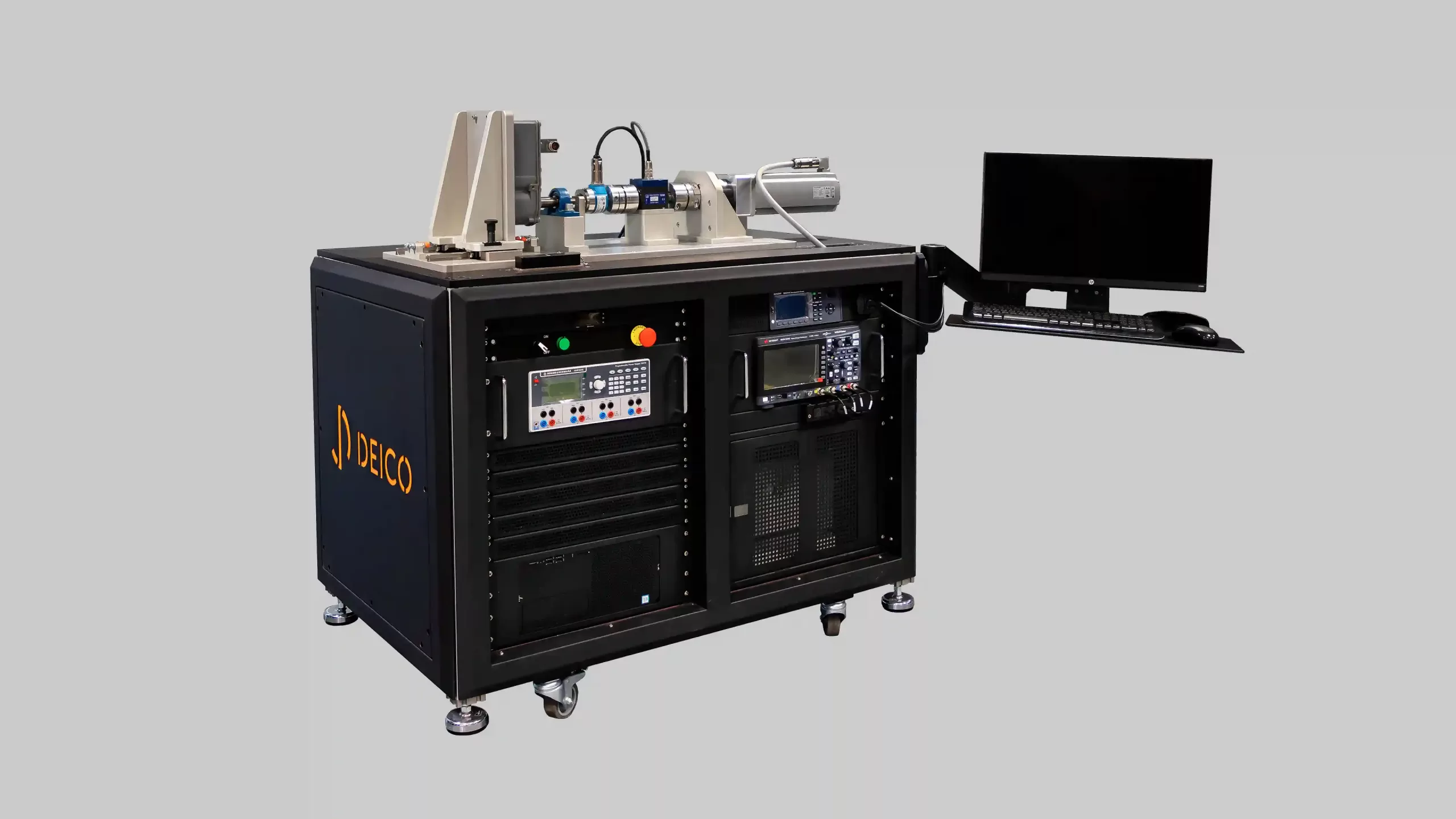
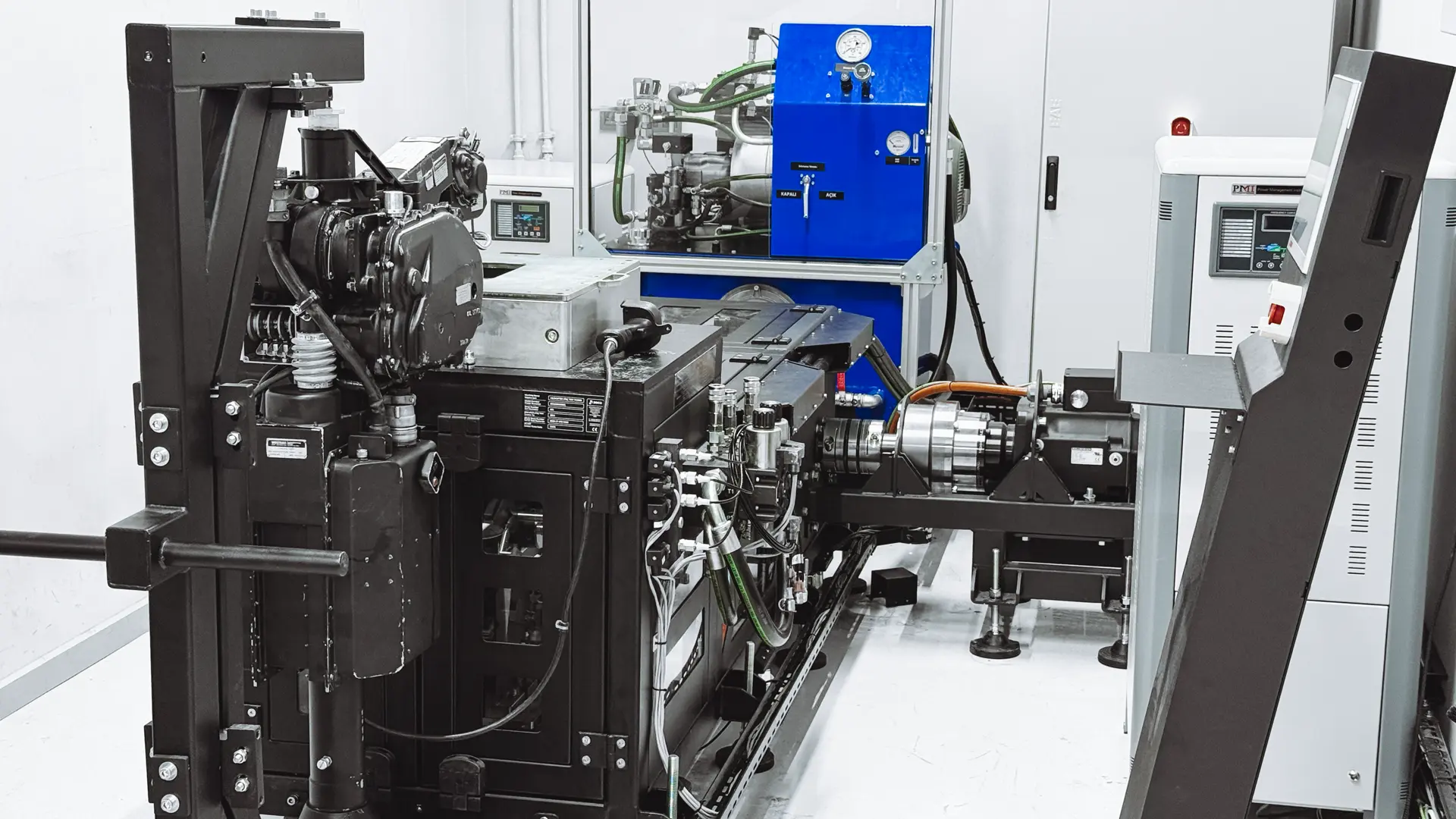
The system tests both hydraulic-powered and electric motor-driven helicopter hoist mechanisms under configurable load scenarios. Operators manage test sequences through a graphical HMI that displays live torque, speed, current, pressure, and position data. The automated Overload Clutch test runs with high-precision measurement and closed-loop control, requiring no manual intervention.
Technical Specifications
System Capabilities
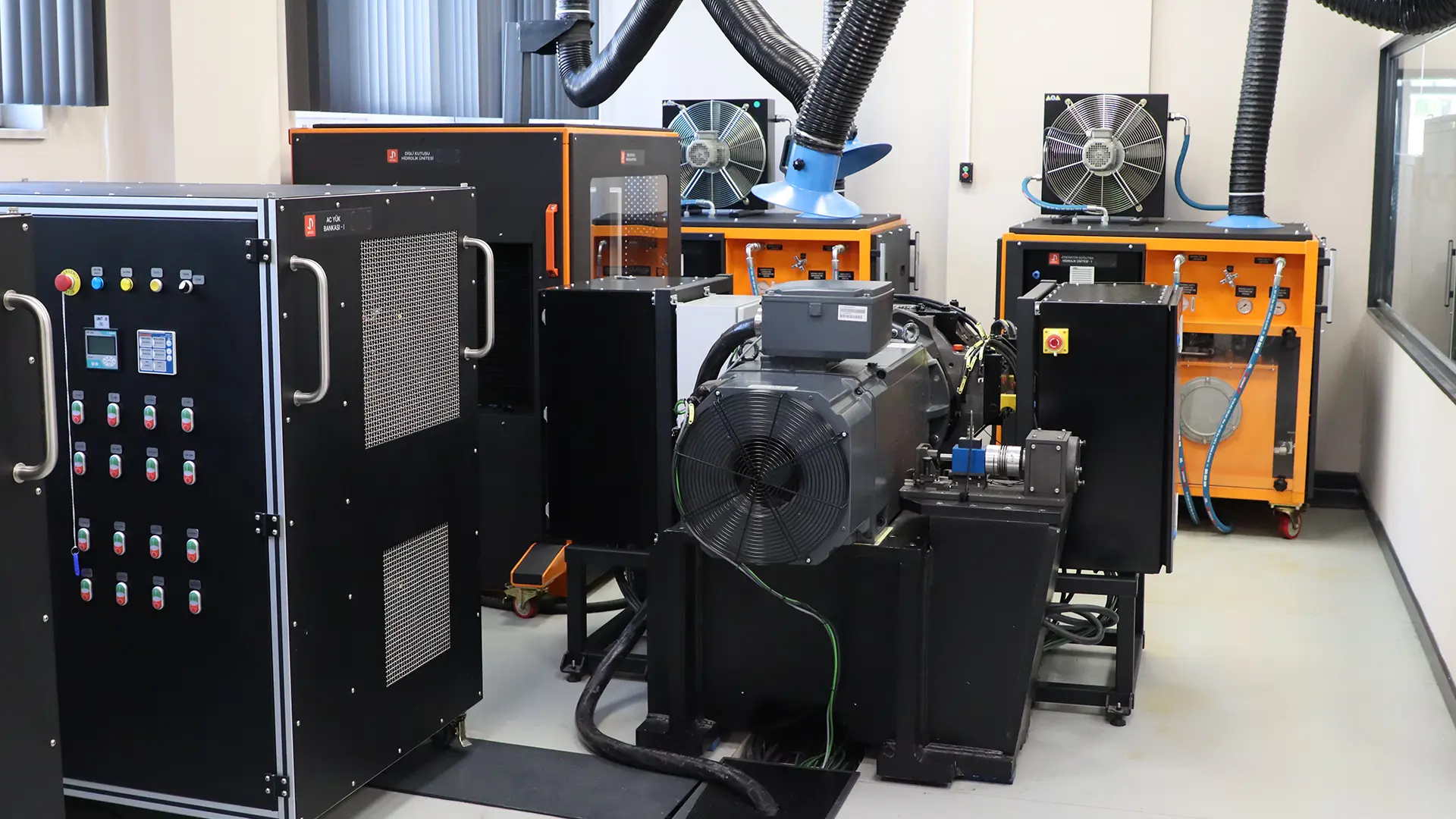
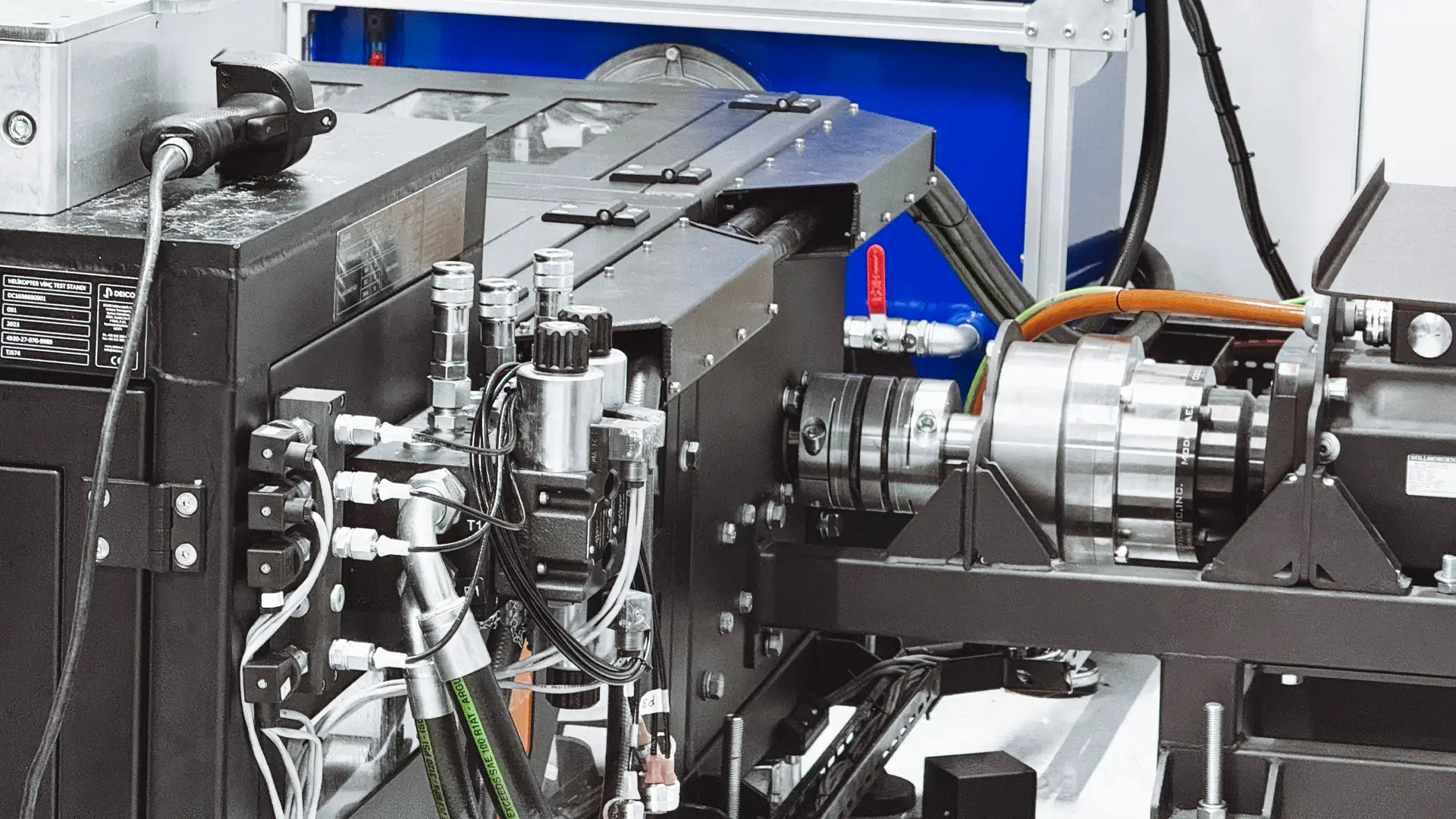
- Dual-mode test architecture supporting both hydraulic and electric motor-driven hoist systems within a single platform
- Hydraulic power module with variable flow and pressure control, matched to different hoist types and load profiles
- Electric drive and load subsystem covering 0 to 15 kW motor power and up to 200 Nm torque capacity,
- Closed-loop speed and torque control using high-resolution encoder feedback
- PLC-based real-time control architecture providing precise, repeatable, and safe test cycles
- Real-time data acquisition and visualization of torque, speed, pressure, current, and position through high-resolution graphical displays
- Advanced HMI for test scenario configuration, live monitoring, and system diagnostics
- Fully automated Overload Clutch test and calibration driven by precision measurement algorithms
Project Value and Impact
Why This Project Matters
Helicopter hoist testing directly affects operational safety. A rescue hoist that fails during a mission can result in loss of life or mission failure. This system replaces subjective manual checks with automated measurement and digital records, standardizes the helicopter winch functional test process, and supports verification of hoist readiness before the platform returns to service.
Customer and Industry Benefits
- Supports operational reliability through standardized and repeatable test procedures, helping detect potential failures before the platform enters service
- Reduces manual workload and shortens hoist MRO turnaround with automated test functions and real-time digital monitoring
- Eliminates technician-dependent variability, delivering consistent test quality regardless of operator experience
- Improves mission readiness rates by accelerating the rescue hoist verification and return-to-service cycle