
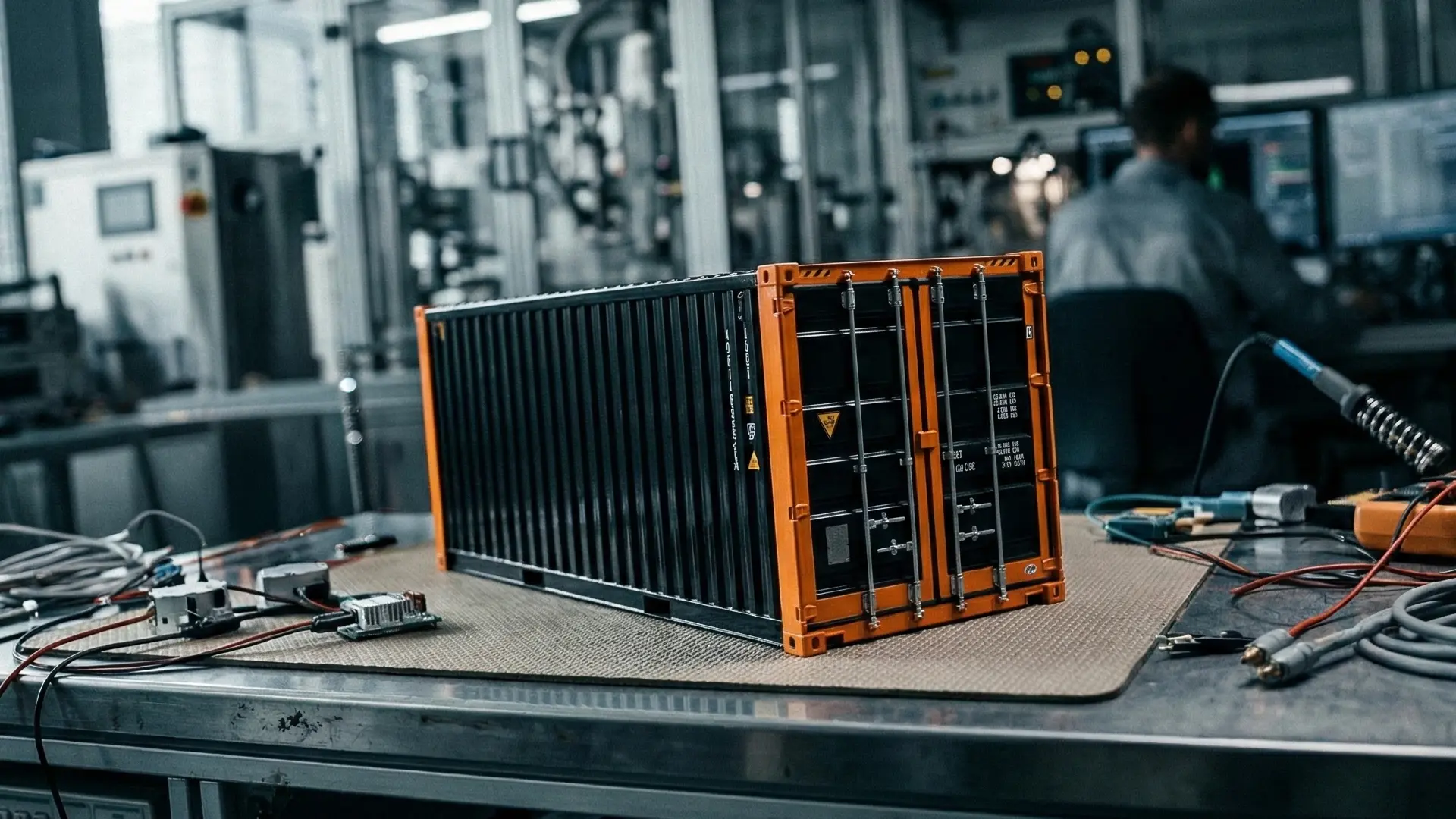
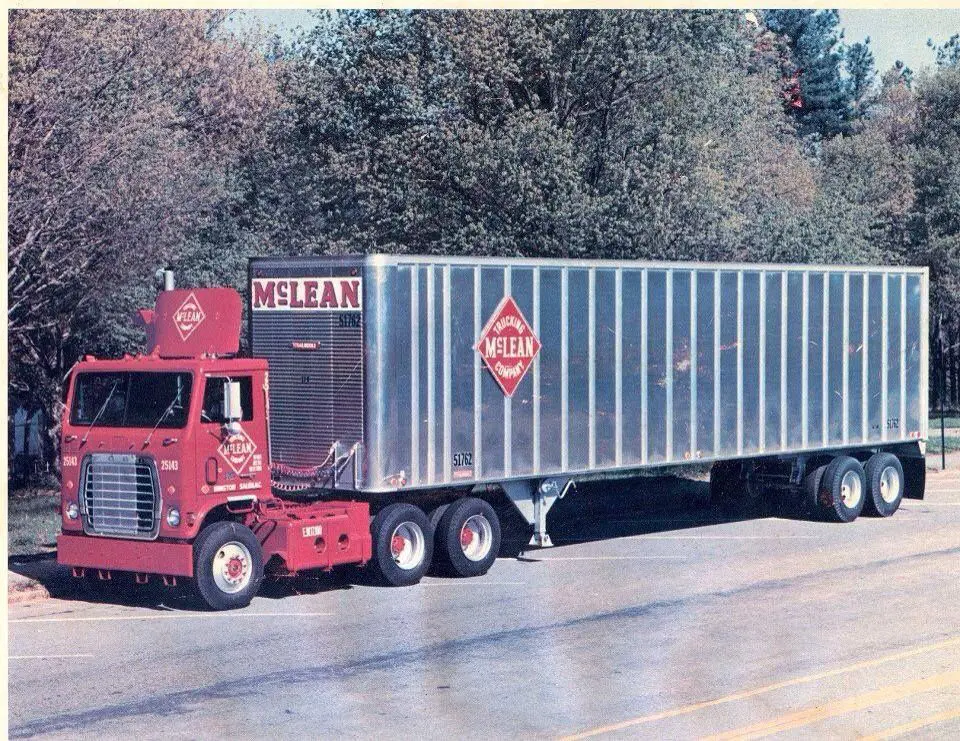
If you ask an economist what triggered modern globalization, they won’t point to the internet. They’ll tell you about a frustrated truck driver in 1956.
Before Malcolm McLean, loading a cargo ship was a logistical nightmare. Dockworkers moved wooden crates, barrels, and sacks one by one. A ship would sit in port for weeks just getting loaded. McLean realized the problem wasn’t the ship – it was the lack of a standardized box. He invented the modern shipping container. Suddenly, cargo could move from truck to train to ship without ever being unpacked. He didn’t just build a box; he standardized physical space.
Now, look at a traditional engineering test bench. It often looks exactly like a port from 1950.
You have a desktop computer, a bulky oscilloscope from one vendor, a massive signal generator from another, and a standalone digital I/O module from a third. Each has its own screen, its own metal casing, and its own power brick. We spend massive amounts of physical space and engineering time just trying to make these mismatched boxes “talk” to the computer.
This exact logistical headache is why the PXI standard was born. PXI is the shipping container of the test and measurement world.
It strips away the unnecessary bulk – the redundant screens, the dials, and the empty air inside those traditional boxes. When you use DEICO PXIe System Components, you are packing high-density measurement hardware into a streamlined, standardized format. Simply start with a DEICO PXI chassis and an embedded controller module, and you have a powerful, unified foundation.
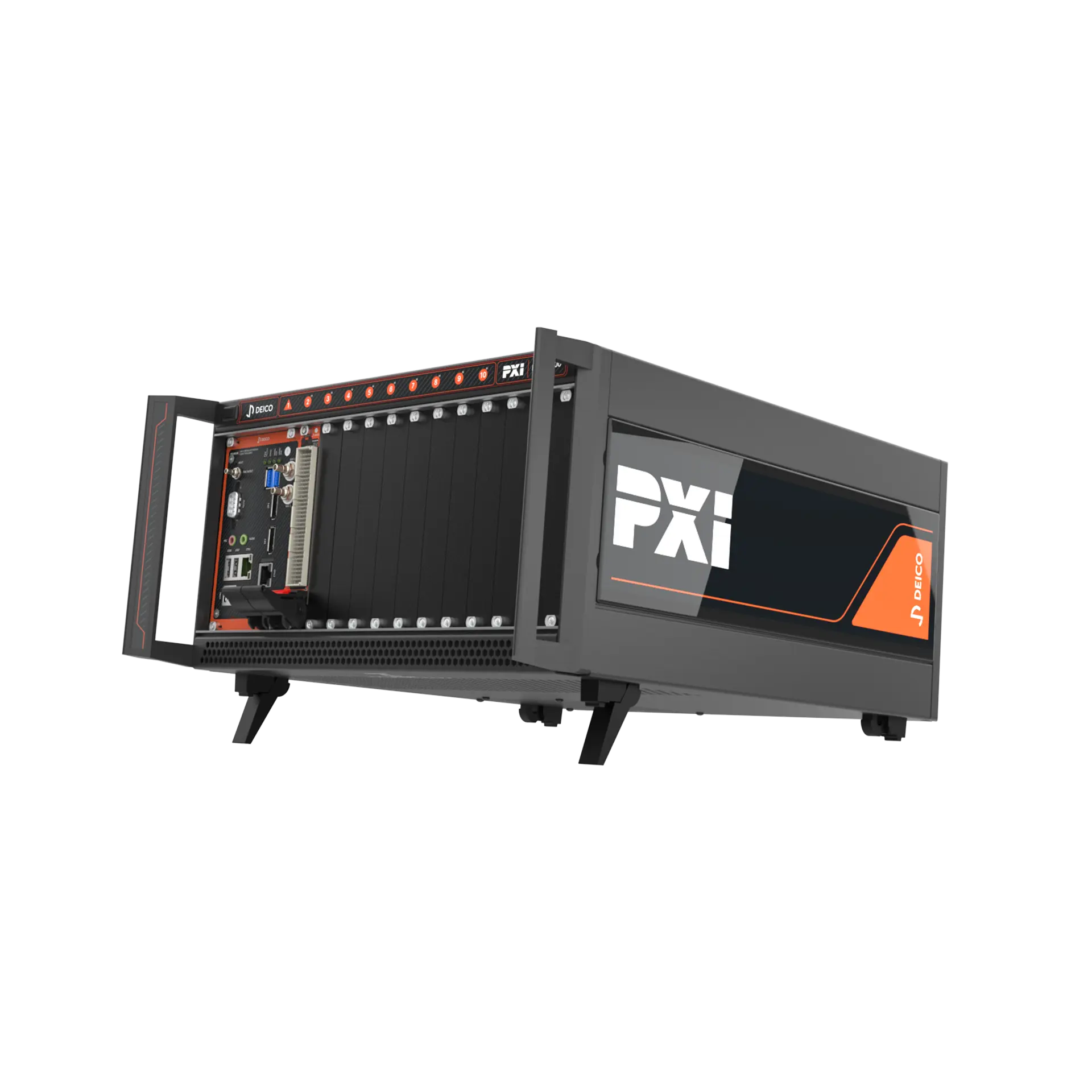
Instead of managing a dozen different power cables and USB cords, you simply slide the modules into a single chassis. The chassis and backplane handles the power, the cooling, and the high-speed PCIe data transfer automatically. You can swap a communication module for an acquisition module in seconds – just like a crane swapping containers on a ship.
Are you still managing a chaotic collection of mismatched boxes, or are you ready to standardize your test architecture?