
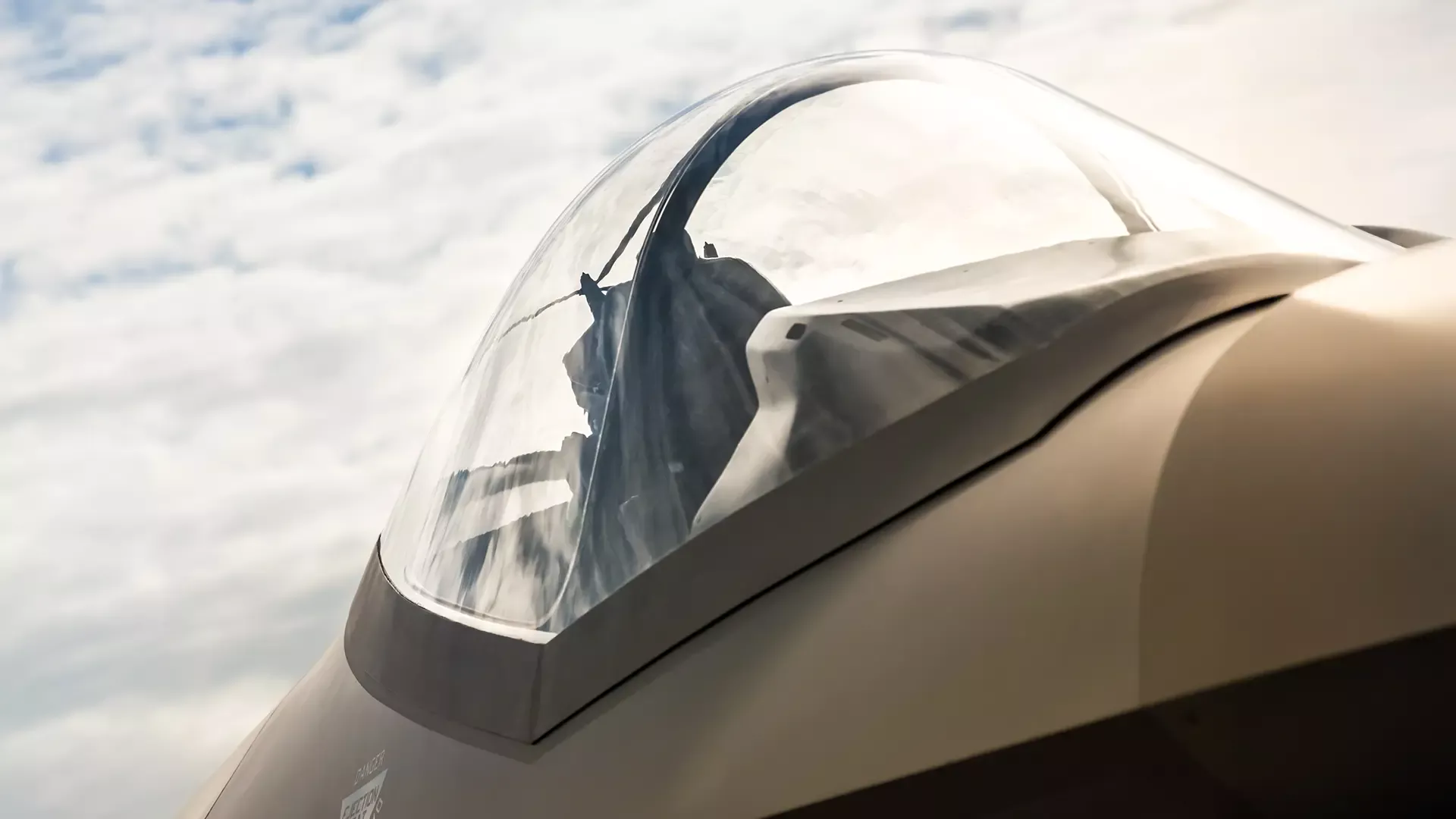
The 1973 Standard That Refuses to Retire
In an era defined by 5G and Artificial Intelligence, it seems paradoxical that the defense industry still relies on a communication standard developed in 1973. While our phones transmit data at gigabit speeds, many fighter jets are still routing critical commands at just 1 Mb/s via MIL-STD-1553.
Why? Because in avionics, speed is a luxury, but determinism is a necessity.
MIL-STD-1553 remains the indestructible workhorse of protocols: robust, noise-immune, and proven to withstand the harshest electromagnetic environments. It guarantees that when a pilot pulls the stick, the command arrives exactly when predicted.
However, maintaining this legacy standard requires precision.
Technical Insight: Catching the “Ghost” on Your Oscilloscope
The robustness of the 1553 protocol often masks physical layer issues-until it’s too late. The most common culprit is Impedance Mismatch, often caused by poor-quality Bus Couplers or improper termination.
Tip for Test Engineers: When debugging a 1553 bus, don’t just look for data errors; look at the waveform geometry. Use a scope or protocol analyzer that can show both the physical layer (eye diagrams, rise times) and decode the Manchester data simultaneously.
The Future Outlook: Who Is Taking the Throne?
While 1553 is reliable, we must be realistic. Its 1 Mb/s bandwidth is simply insufficient for the data load of modern AESA radars, high-resolution sensor fusion, and real-time video feeds.
In new engineering projects, unless there is a specific constraint (like legacy munitions), MIL-STD-1553 is stepping aside for high-speed successors. Here is the current landscape of replacement technologies:
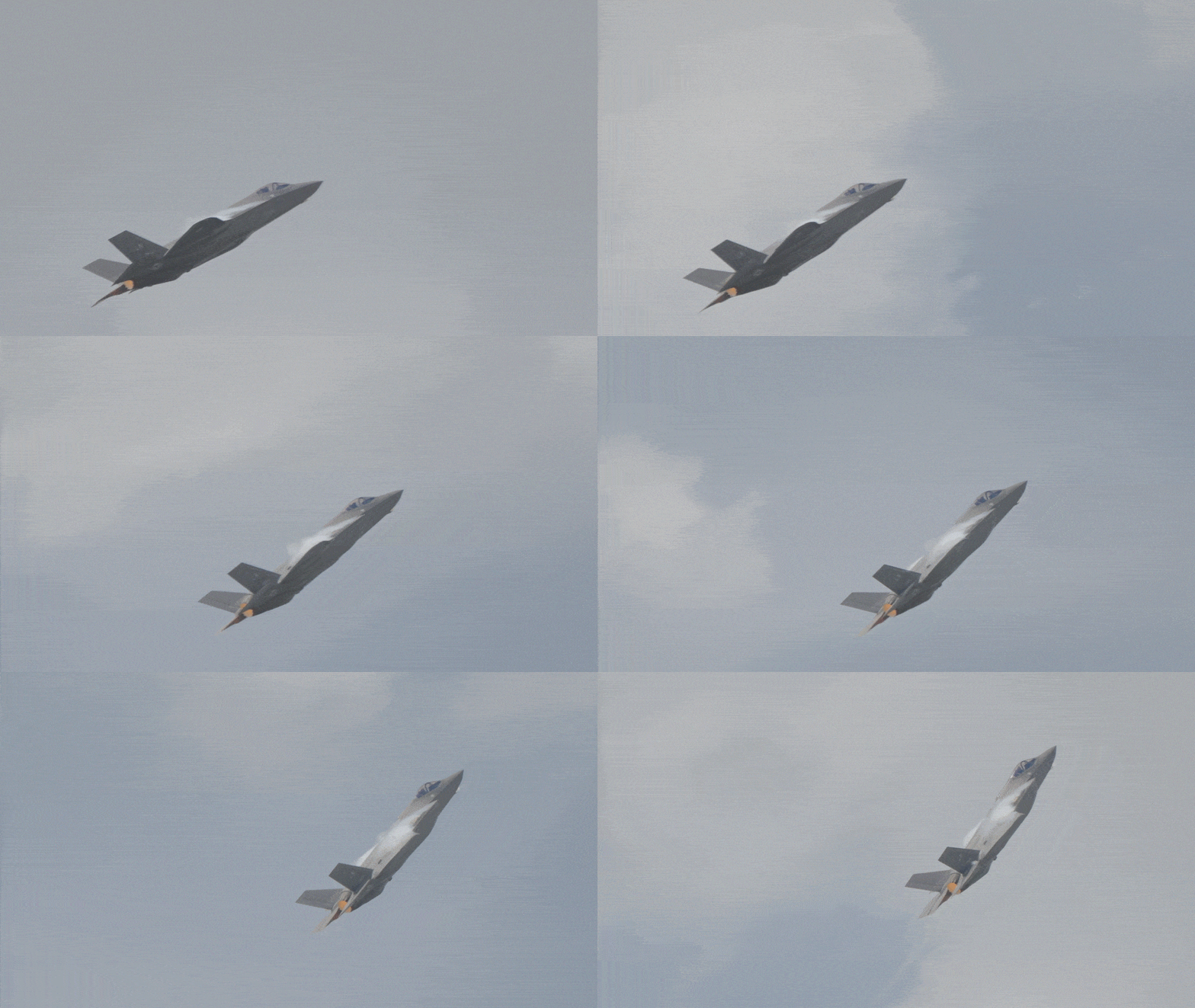
- IEEE 1394b (FireWire)
- Speed/Feature: 400-800+ Mb/s. Deterministic and time-guaranteed.
- Use Case: The Vehicle Systems Bus of the F-35 Lightning II.
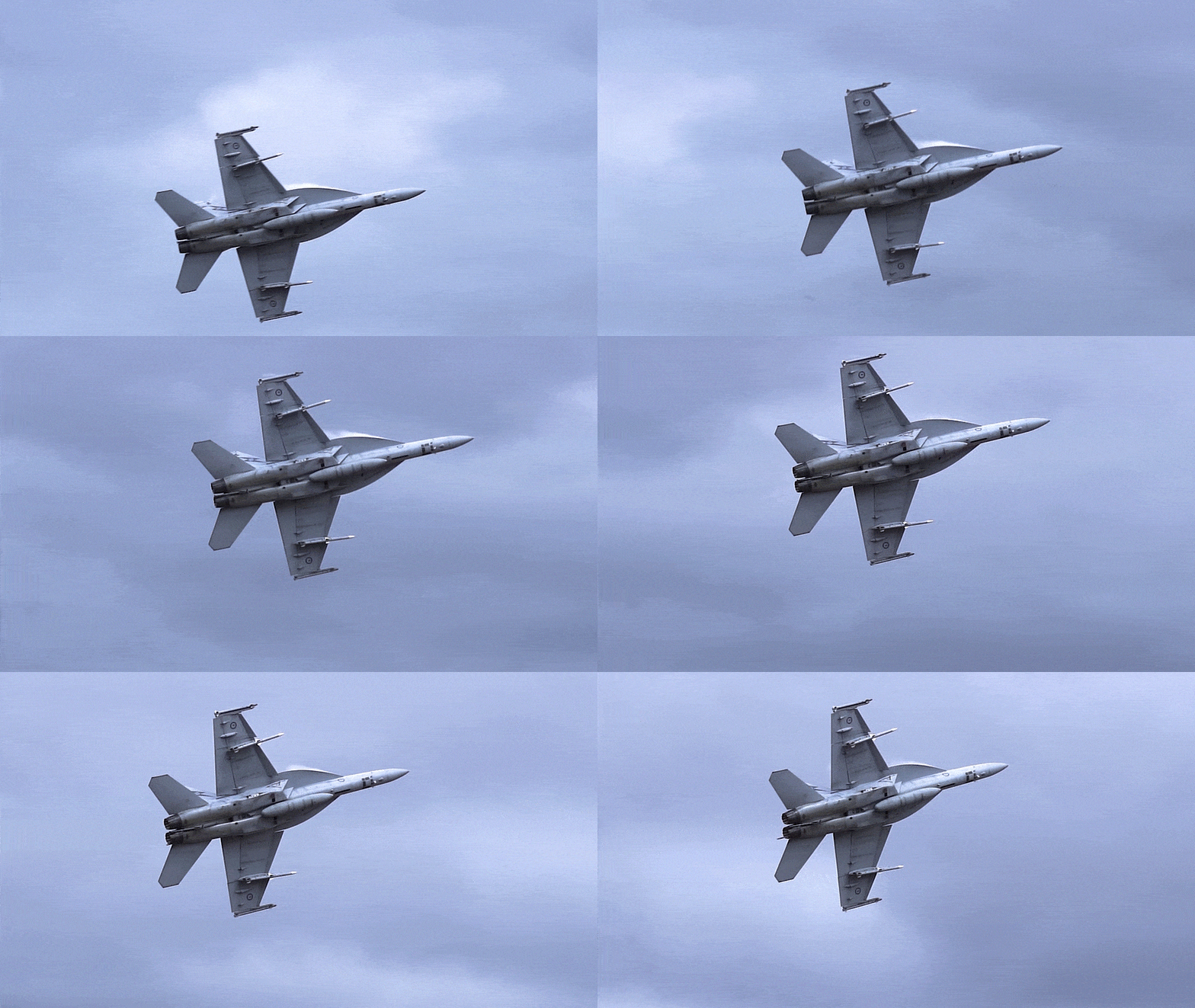
- Fibre Channel (FC-AE)
- Speed/Feature: 1-4 Gb/s. Optical-based for massive throughput.
- Use Case: Data transfer between mission computers on the F-18 Super Hornet and F-22 Raptor.

- AFDX (Avionics Full-Duplex Switched Ethernet)
- Speed/Feature: 100 Mb/s – 1 Gb/s. Safety-critical Ethernet.
- Use Case: Standard on the Airbus A380, A400M, and new-gen military transport aircraft.
- TTEthernet (Time-Triggered Ethernet)
- Speed/Feature: Real-time, scalable Ethernet.
- Use Case: NASA Orion capsule and a strong candidate for 6th Gen fighters.
The Hybrid Reality: The F-35 Paradigm
So, is 1553 dead? Far from it. The architecture of the F-35 Lightning II offers the perfect summary of the industry’s direction.
Even though the F-35 is a “flying supercomputer” relying on high-speed FireWire and Fibre Channel for its brain, MIL-STD-1553 is still onboard.
Why? Weapon Compatibility. You cannot simply plug a 1990s JDAM or AMRAAM missile into a fiber optic port. The vast majority of smart munitions in NATO inventories still “speak” 1553.
The Bottom Line: Modern avionics is not about replacing the old with the new; it is about integration. The future is a hybrid architecture where fiber optics handle the sensors, and 1553 handles the payload.
From legacy copper to next-gen optics, we provide the test infrastructure to keep them all flying together.